
Summary
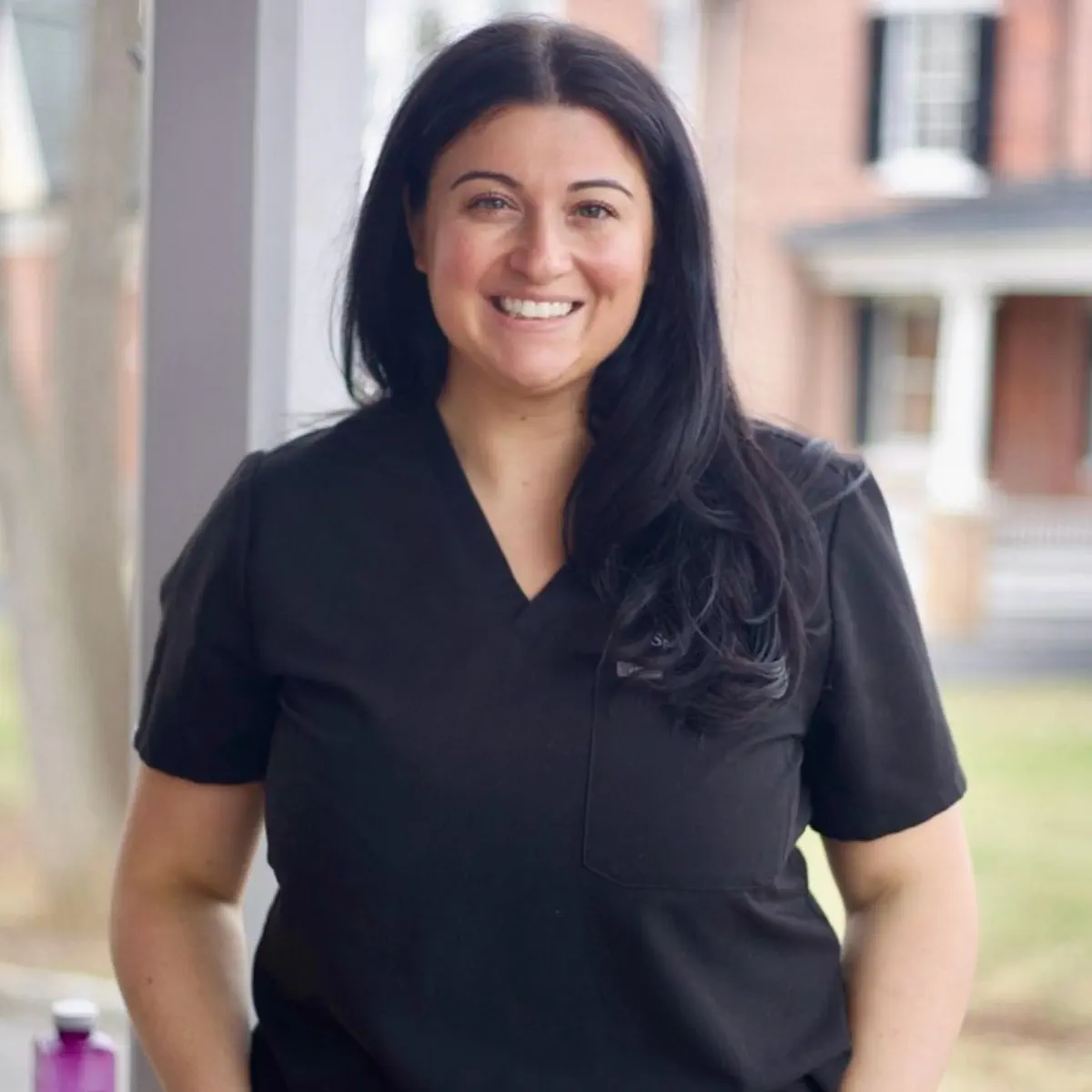
In this episode of the All About Kids Podcast, Zach sits down with Danielle Pugliese, a speech-language pathologist and owner of Speech In Reach. The conversation explores Danielle’s journey from graduate school to her clinical fellowship year, the realities of agency work, and how early-career clinicians learn to balance clinical knowledge with the day-to-day demands of the job.
Danielle reflects on her educational path, including leaving Long Island for undergrad, navigating the competitive world of graduate school admissions in New York, and ultimately linking up with All About Kids for her clinical fellowship. She shares how stepping outside her comfort zone early on shaped both her personal growth and professional confidence.
A major theme of the episode is the transition from theory to practice. Danielle discusses common mistakes new clinicians make—especially assuming they need to know everything right away. She emphasizes the importance of humility, ongoing learning, and being comfortable telling parents when you need time to research an answer. The episode highlights how much growth happens during the CF year, often faster than new clinicians expect.
The conversation also dives into the clinical side of speech therapy, including the difference between articulation and phonological disorders, the importance of thorough assessment, and tailoring intervention approaches to each child. Danielle explains how shifting her treatment mindset improved outcomes and helped her work more efficiently.
Danielle also shares her experience transitioning to teletherapy during the COVID-19 pandemic, discussing scheduling changes, behavior management on screen, parent coaching, and redefining what a “successful” session looks like. She stresses that progress doesn’t require perfection—and that consistency, flexibility, and reducing stress for families matter more than hitting every planned activity.
Throughout the episode, Danielle speaks candidly about paperwork, billing, time management, and the emotional investment that comes with working closely with families. The result is a practical, honest discussion about what it really takes to grow into the role of a speech-language pathologist both clinically and personally.
Key Moments
Path into speech therapy
Danielle walks through her path from undergraduate studies into graduate school, sharing how her understanding of the field evolved once theory met reality. Her clinical fellowship year became the real turning point, a period where she moved from “student mode” into full professional responsibility. She reflects on how the CF year forces you to build confidence quickly, often before you feel fully ready, and how that pressure ultimately accelerated her growth as a clinician.
Agency work realities
Working for an agency meant constant movement, different schools, different teams, different expectations. Danielle describes the mental and logistical load of juggling multiple school districts, travel time, and shifting schedules, often within the same week or even day. She highlights how agency work builds adaptability fast, but also demands strong boundaries and organization to avoid burnout early in your career.
Articulation vs. phonology
One of Danielle’s biggest clinical “aha” moments came when she learned to look beyond individual sound errors and recognize broader phonological patterns. She explains how this shift changed everything, from goal writing to session structure and led to more efficient, effective intervention. Instead of chasing isolated sounds, she began targeting patterns, which resulted in faster progress and clearer outcomes for students.
Early-career mindset shifts
Danielle is candid about the pressure new clinicians feel to have all the answers. Over time, she learned that confidence doesn’t come from knowing everything, it comes from knowing how to problem-solve, ask for help, and adjust in real time. Letting go of perfectionism allowed her to be more present, flexible, and effective with students.
Teletherapy transition
When COVID hit, Danielle, like so many clinicians, had to pivot overnight. She describes the initial uncertainty and discomfort of moving sessions online, especially without training or preparation. Over time, she redefined what “success” looked like in teletherapy, focusing less on ideal sessions and more on connection, consistency, and meeting families where they were.
Behavior management online
Managing behavior through a screen required creativity. Danielle shares how she adapted reward systems, leaned into flexibility, and learned to read subtle engagement cues in virtual sessions. Rather than forcing rigid structures, she adjusted expectations and embraced shorter bursts of attention, which ultimately helped students stay motivated and involved.
Parent coaching
Teletherapy unexpectedly increased parent involvement, and Danielle saw the benefits firsthand. She talks about how coaching parents during sessions led to better carryover and stronger outcomes, especially in early intervention. Instead of therapy happening in isolation, parents became active partners, reinforcing skills throughout the week.
Paperwork and billing
Danielle pulls back the curtain on one of the least talked-about parts of being an SLP: documentation. Progress notes, billing, compliance, all of it adds up. She discusses how this hidden workload can feel overwhelming early on, and how learning systems and templates were essential for staying afloat.
Emotional connection
At the heart of it all, Danielle emphasizes the relationships. She reflects on how building trust with families, especially during uncertain, stressful times, made the work meaningful. Those emotional connections not only motivated her as a clinician, but also reminded her why she chose the field in the first place.
Quotes
1. On early-career expectations
“I don’t know everything yet and that’s okay. I think when you first start out, you feel this pressure to have all the answers right away, like you’re supposed to walk in already fully formed as a clinician. But I’ve learned that not knowing everything doesn’t mean you’re doing a bad job. It just means you’re still learning, and that’s actually part of the process.”
2. On teletherapy success
“If we can get through two out of three activities, I’m happy. Early on, I had to let go of this idea that every session needed to be perfectly structured or look the same as in person. Some days, just showing up, staying connected, and making progress in even small ways was a win, and that mindset shift made a huge difference.”
3. On paperwork realities
“Nobody really tells you how much documentation there is. You go into the field thinking about therapy and working with kids, but there’s so much behind-the-scenes work that no one really prepares you for. Learning how to manage notes, billing, and reports was almost like a second job at first, and it took time to figure out systems that worked.”
4. On clinical growth
“You learn so much in nine months it’s crazy looking back. When I think about who I was at the start of my CF year versus where I ended up, it feels like night and day. You gain confidence, perspective, and clinical instincts so quickly just by being in it every day and figuring things out as you go.”
5. On relationships with families
“You really see how what you’re doing affects the whole family. It’s not just about the session or the goals you’re targeting, it’s about how parents feel, how kids show up at home, and how progress carries over into everyday life. Building those relationships made the work feel so much more meaningful.”
Takeaways for SLPs & Graduate Students
• The CF year is about learning, not perfection• Humility and curiosity are clinical strengths
• Assessment drives intervention, not assumptions
• Teletherapy requires flexibility, not rigid expectations
• Two out of three activities can still mean progress
• Parent coaching is a powerful tool, especially in early intervention
• Paperwork and billing are part of the job—plan for them
• Time management improves through experience
• Emotional investment is real—and meaningful
• Growth often happens faster than you realize
About All About Kids:
AAK, the leading provider of children’s therapeutic and educational skills in New York. Their team of experts offer diagnostic evaluations as well as direct and consultative behavioral intervention services to children with Autism Spectrum Disorders. After comprehensive assessment, each child has a portfolio or program book designed specifically to meet his or her individualized needs. The quality of our ABA services are closely monitored through program and field supervision as well as ongoing consultation by BCBA’s/BCaBA’s, and Experienced Team Leaders.
Click here for a link to comprehensive educational and support resources. Previous podcast episodes and more information about All About Kids is available here.
Follow what’s up with AAK: