
Summary
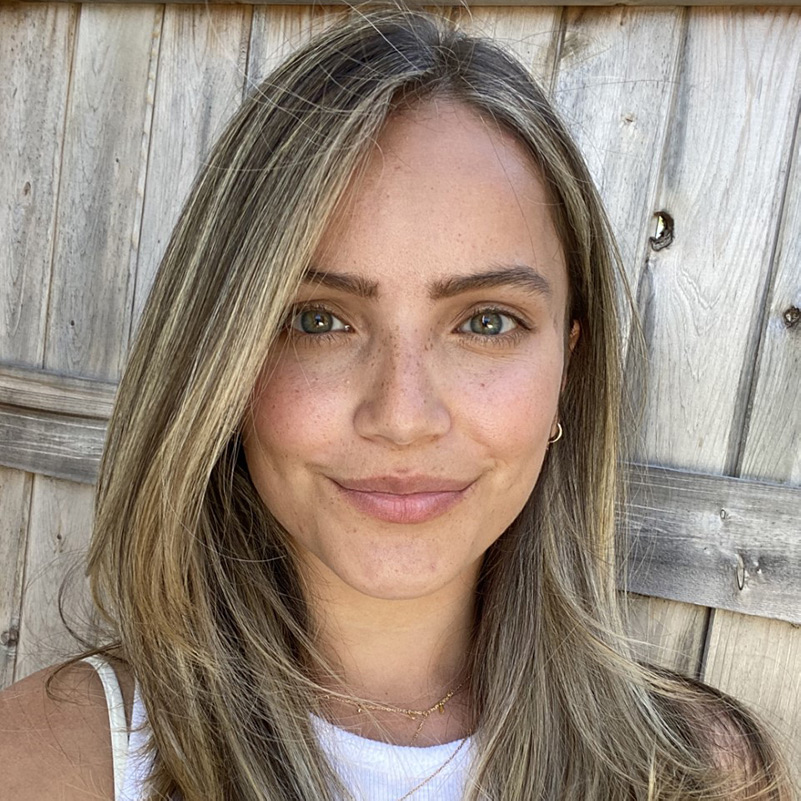
In this episode of the All About Kids Podcast, Zach sits down with Philippa Ross, a speech-language pathologist and clinical fellow at All About Kids. The conversation explores Philippa’s path into speech therapy, her experiences working across multiple pediatric populations, and how flexibility, creativity, and empathy have shaped her growth as a clinician—especially during the shift to teletherapy.
Philippa reflects on her educational journey, from discovering speech therapy during her undergraduate studies at Bloomsburg University to completing her graduate degree at Molloy College. She shares how early externship experiences in special education preschools helped solidify her interest in pediatric speech therapy, and why agency work appealed to her as a way to gain exposure to a wide range of ages, diagnoses, and settings during her clinical fellowship.
A central theme of the episode is flexibility. Philippa discusses how the COVID-19 pandemic forced an abrupt transition from in-person, hands-on therapy to teletherapy, challenging her natural tendency to plan sessions down to the minute. She explains how learning to let go of rigid expectations, and instead follow the child’s lead, ultimately made her a more effective and responsive therapist.
The conversation also dives into clinical growth areas, particularly articulation therapy. Philippa shares that while she felt confident in language-based intervention early on, articulation and phonological processes required a steep learning curve. She explains how identifying persistent phonological patterns, tailoring cues, and adapting strategies for teletherapy improved her confidence and outcomes.
Philippa also emphasizes the importance of rapport-building, both with children and parents. She discusses incorporating children’s interests into sessions, collaborating closely with families, and helping parents understand how therapy goals translate into everyday life. Teletherapy, while challenging, also created new opportunities for connection and insight into children’s home environments.
Throughout the episode, Philippa speaks candidly about mindset shifts during her CF year, giving herself grace, prioritizing mental health, using mindfulness practices, and leaning on professional communities through social media and peer support. The result is a thoughtful, grounded discussion about learning on the job, adapting in real time, and developing confidence as a speech-language pathologist in uncertain circumstances.
Key Moments
Path into speech therapy: discovering the field and choosing pediatrics
Philippa shared that her path into speech therapy wasn’t something she grew up planning, it started with a general education course during undergrad that immediately clicked. That early exposure helped her recognize how broad and impactful the field really is. Returning to Long Island for graduate school and clinical practice was intentional: she wanted to serve the same communities she grew up in, and work directly with families navigating speech and language challenges close to home. That combination of discovery and purpose shaped how seriously she approached her CF year.
Agency work exposure: learning through variety, not comfort
Working through an agency allowed Philippa to see a wide range of ages, diagnoses, and settings, from early intervention to preschool and school-age students. While agency work required travel and constant adjustment, it accelerated her learning. Instead of becoming comfortable with one population or routine, she had to continuously adapt, collaborate with different teams, and tailor therapy to each environment. That variety helped her build confidence quickly and gain a clearer understanding of where her strengths and growth areas were as a clinician.
Teletherapy transition: redefining what “effective” really means
The sudden shift to teletherapy during the pandemic forced Philippa to reexamine her expectations of what a good session looks like. Hands-on cues, physical prompts, and shared play materials weren’t always possible through a screen. Some children thrived; others struggled. Rather than seeing this as failure, she reframed success around engagement, connection, and effort. Teletherapy pushed her to be more creative, patient, and forgiving, with herself and with her clients.
Flexibility in practice: releasing the need for perfect plans
One of Philippa’s biggest personal growth areas was flexibility. She described herself as a highly organized planner who liked sessions to unfold a certain way, something that rarely happens with young children. Teletherapy and agency work made rigid plans unrealistic. Learning to adjust in real time, follow a child’s interests, and pivot when something wasn’t working became one of her most valuable clinical skills. That flexibility didn’t lower the quality of therapy, it improved it.
Rapport building and parent collaboration: therapy beyond the session
Philippa emphasized that strong therapy outcomes depend on relationships. Building rapport with children meant getting on their level, using play, and incorporating their interests. Equally important was collaboration with parents, checking in, understanding family dynamics, and explaining how goals connect to daily life. Teletherapy offered unexpected insight into home environments, helping Philippa better understand how speech challenges affect children outside of sessions. That perspective reinforced that therapy doesn’t stop when the session ends, it lives in real-world carryover.
Quotes
-
On flexibility in therapy
“One of my biggest goals coming into this year was becoming more flexible in therapy sessions. I’m such a planner and so organized, and this year has really been all about flexibility, learning to adjust in the moment and do what works best for each child.”
-
On the teletherapy mindset
“We were all kind of thrown into teletherapy, and as long as you know that you’re doing the best that you can every day, you really have to give yourself credit for that. You’re balancing your own mental health while still trying to provide services to these kids.”
-
On clinical growth and articulation therapy
“Articulation therapy was something I wasn’t as confident in at first. I loved language therapy, but articulation has definitely been a learning curve for me, and I’ve learned so much about phonological processes and how to target them in creative ways.”
-
On rapport with children
“If you’re able to get on their level and really play with them, incorporate what they like and what they’re interested in, it makes such a difference. Children appreciate when you meet them where they are.”
-
On understanding real-life impact
“It’s not just about the diagnosis or the goals on paper. It’s really about understanding how their challenges are affecting their day-to-day life at home, at school, and socially, and being able to explain that to parents and teachers.”
About All About Kids:
AAK, the leading provider of children’s therapeutic and educational skills in New York. Their team of experts offer diagnostic evaluations as well as direct and consultative behavioral intervention services to children with Autism Spectrum Disorders. After comprehensive assessment, each child has a portfolio or program book designed specifically to meet his or her individualized needs. The quality of our ABA services are closely monitored through program and field supervision as well as ongoing consultation by BCBA’s/BCaBA’s, and Experienced Team Leaders.
Click here for a link to comprehensive educational and support resources. Previous podcast episodes and more information about All About Kids is availablehere.
Follow what’s up with AAK: